The Insurance Every UK Tradesperson Actually Needs in 2025
Insurance is one of those things that feels easy to put off — until you need it. For tradespeople, the right cover can mean the difference between a manageable setback and a business-ending disaster. Here's a no-nonsense guide to the cover that actually matters.
Public Liability Insurance — the non-negotiable
If you work in someone's home or business premises, public liability insurance is essential. It covers you if a third party suffers injury or property damage as a result of your work. Accidentally crack a floor tile? Cause a leak? Without this cover, you're paying for it yourself — and the costs can run into thousands. Most clients and contractors will also require you to hold this before they'll let you on site.
Employers' Liability Insurance — legally required if you have staff
If you employ anyone — even part-time or casual labour — you're legally required to hold employers' liability insurance with a minimum cover of £5 million. Failure to have it can result in a fine of up to £2,500 per day. No exceptions.
Tools and Equipment Cover
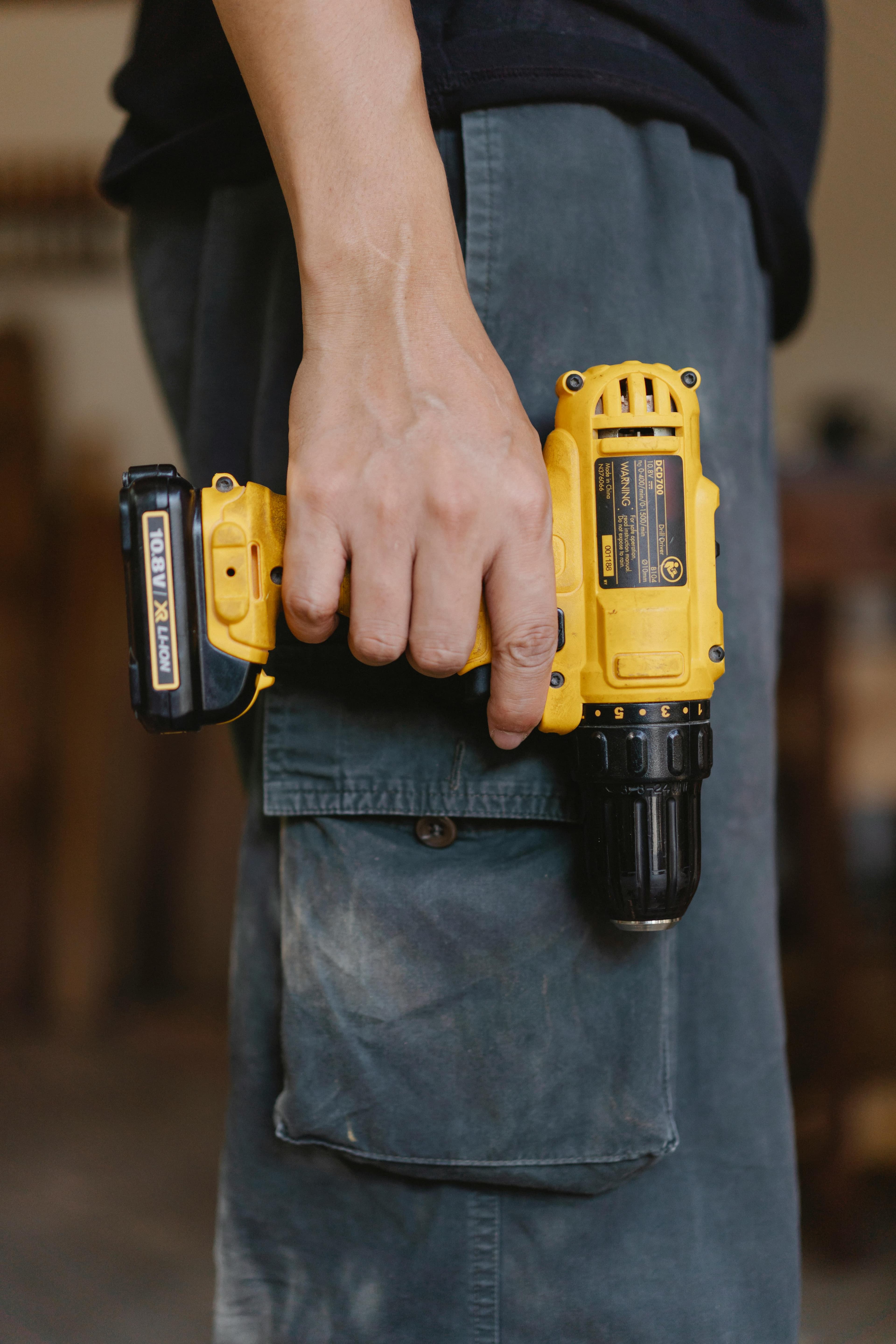
Your tools are your livelihood. Tool theft from vans is rife across the UK, and without cover, replacing stolen or damaged equipment comes straight out of your pocket. Tools cover typically protects against theft, loss, and accidental damage — check whether it covers tools left in your vehicle overnight, as policies vary.
Professional Indemnity Insurance
Less commonly held but increasingly important — particularly if you offer any kind of design, surveying, or consultancy alongside your trade work. It covers you if a client claims your advice or designs caused them financial loss.
Personal Accident Cover
As a self-employed tradesperson, if you can't work, you don't earn. Personal accident cover pays out a weekly benefit if you're unable to work due to injury. It's often affordable and could keep you afloat during a difficult period.
Getting the right cover is part of running a professional, protected business — just like keeping proper records with tools like Receev. Compare quotes annually and make sure your cover reflects the actual value of your tools and the nature of your work.